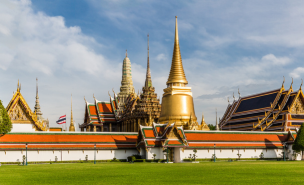

Plan Your Buddhist Tour
Contact us to explore Buddhist heritage and pilgrimage destinations.
About Ullambana Indian Buddhist Festival
Ullambana is an important Buddhist observance associated with gratitude towards parents and ancestors, remembrance of departed loved ones and compassion for beings experiencing suffering. It is observed in several Mahayana Buddhist communities, particularly across East Asia.
Also associated with the name Hungry Ghost Festival in some cultures, Ullambana is known for temple ceremonies, prayers, offerings and acts of generosity. Although its traditions differ between regions, the observance highlights compassion, gratitude and concern for the well-being of others.
What Is the Ullambana Buddhist Festival?
Ullambana is rooted in the Buddhist text known as the Ullambana Sutra. Its best-known story concerns Maudgalyayana, one of the Buddha's principal disciples. In the traditional account, he discovers that his mother is suffering after death and asks the Buddha how he can help her.
The Buddha teaches him about making offerings to the Sangha, the community of Buddhist monks and nuns, and dedicating merit to help relieve suffering. The story is remembered as a lesson in filial devotion, generosity and compassion.
Why Is Ullambana Celebrated?
Ullambana is observed to remember departed family members, express gratitude towards parents and ancestors, and dedicate prayers and merit to those who have passed away. It also encourages people to help others through generosity and compassionate actions.
The festival teaches that respect for parents and ancestors is not limited to words. Acts of kindness, donations, spiritual practice and support for the monastic community are ways devotees express gratitude and compassion.
When Is Ullambana Celebrated?
In many East Asian Mahayana Buddhist traditions, Ullambana is observed on the 15th day of the seventh lunar month. Since lunar calendars differ from the Gregorian calendar, the corresponding date changes every year.
Some Buddhist communities follow their own local calendars and customs. If you are planning to attend a ceremony, check the date announced by the temple or Buddhist organisation in your destination.
2027 date: Do not assume one universal date for every country or Buddhist tradition. Confirm the local temple schedule before publishing a specific date or making travel arrangements.
How Is the Ullambana Festival Celebrated?
Ullambana observances can include religious ceremonies, sutra chanting, offerings, charitable activities and remembrance of deceased relatives. The exact practices depend on the temple and local Buddhist tradition.
- Prayers and chanting: Devotees gather at temples for prayers and the recitation of Buddhist scriptures.
- Food and other offerings: Offerings may be made at temples as part of religious ceremonies.
- Supporting the Sangha: Giving food, necessities or donations to monks and monasteries is an important practice in many communities.
- Remembering ancestors: Families honour departed loved ones and dedicate merit to their well-being.
- Charity and compassion: Acts of generosity help put the festival's teachings into practice.
Where Is Ullambana Celebrated?
Ullambana-related observances are especially associated with East Asian Mahayana Buddhist communities. Celebrations and customs may be found in:
- China: Temple ceremonies, offerings and traditions for remembering ancestors.
- Taiwan: Buddhist services, prayers and community offerings during the lunar observance.
- Singapore: Temple ceremonies and charitable activities organised by Buddhist communities.
- Vietnam: Vu Lan, a related Buddhist observance strongly associated with gratitude towards parents and remembrance.
- Japan: Obon is a related ancestral remembrance tradition, with its own customs and dates.
Not every Buddhist country observes Ullambana in the same way. The festival's name, calendar date and rituals can vary according to religious tradition and local culture.
What Is the Significance of Ullambana?
The deeper significance of Ullambana lies in gratitude, generosity and compassion. It reminds devotees to value the care received from parents, remember their family heritage and consider the suffering of others.
The festival also highlights the Buddhist practice of dedicating merit. Through wholesome actions, offerings and spiritual practice, devotees express the wish that departed loved ones and all suffering beings may find relief and peace.
Ullambana and the Hungry Ghost Festival
The term Hungry Ghost Festival is commonly used for related observances in some East Asian cultures. In Buddhist teachings, hungry ghosts are beings traditionally described as experiencing intense hunger or thirst as a result of past karma.
Ceremonies connected with these traditions may include offerings and prayers intended to express compassion for suffering beings. Customs vary by community, and the Hungry Ghost Festival can also include local cultural practices beyond formal Buddhist rituals.
Ullambana and Japan's Obon Festival
Obon is a Japanese tradition for remembering deceased family members. It shares themes of ancestor remembrance and gratitude with Ullambana, but the two should not automatically be treated as identical festivals.
Obon dates and practices vary by region in Japan. Visitors interested in attending ceremonies should check the local temple or community calendar.
Can Travellers Attend Ullambana Celebrations?
Travellers may be able to attend public temple ceremonies, depending on the venue and local arrangements. Visitors should check whether events are open to the public and follow the instructions of temple staff.
- Confirm ceremony dates and public access before visiting.
- Wear respectful clothing inside religious places.
- Follow local rules regarding photography and offerings.
- Keep quiet during prayers and scripture recitations.
- Respect local religious customs and the privacy of worshippers.
Explore Buddhist Tour Packages
Discover Buddhist heritage and pilgrimage destinations through our Buddhist tour packages. You can also explore our destination guides for Bodh Gaya, Sarnath, Kushinagar and Lumbini.
Frequently Asked Questions About Ullambana
1. What is the Ullambana Buddhist Festival?
Ullambana is a Buddhist observance associated with gratitude towards parents and ancestors, remembrance of departed loved ones and compassion for suffering beings.
2. Why is Ullambana celebrated?
It is connected with the story of Maudgalyayana in the Ullambana Sutra and teaches generosity, filial gratitude and compassion.
3. When is Ullambana celebrated?
Many East Asian Mahayana Buddhist communities observe it on the 15th day of the seventh lunar month. The Gregorian date and local observance can vary.
4. How is Ullambana celebrated?
Common observances include prayers, sutra chanting, offerings, charity, support for monasteries and remembrance of ancestors.
5. Where is Ullambana celebrated?
Related observances are found in Buddhist communities in China, Taiwan, Singapore, Vietnam and other East Asian communities.
6. Is Ullambana the same as Obon?
They share themes of remembering ancestors, but Japanese Obon has its own regional dates and customs and is not identical in every respect to Ullambana.
Buddhist Tour Packages
Explore the sacred Buddhist destinations of India with comfortable stays, sightseeing and well-planned pilgrimage tours.
Buddhism Tour Package
Gujarat Buddhist Tour
Amritsar Dharamshala Buddhism
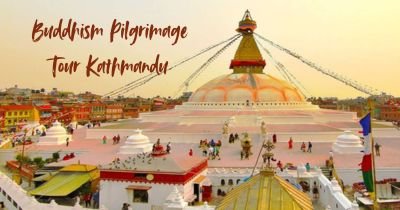
Buddhist Tour Package from Kathmandu
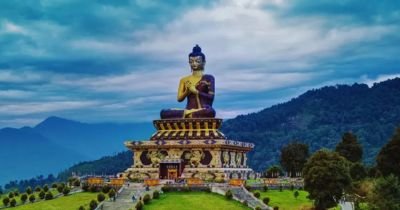
Buddhist Tour Package From Mumbai
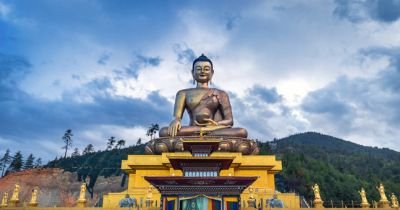
Bhutan Buddhist Cultural Tour
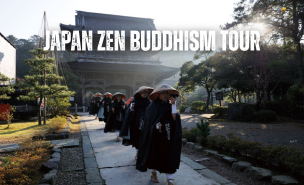
Japan Zen Buddhism Tour