

Buddhist Tour Package from Lumbini
Buddhist Tour Package from Lumbini offer a meaningful opportunity to explore one of the most sacred places in the Buddhist world. Located in Nepal, Lumbini is recognised as the birthplace of Gautama Buddha. Its peaceful gardens, ancient archaeological remains, monasteries and places of worship attract Buddhist pilgrims, spiritual travellers and cultural explorers from across the world.
Lumbini is more than a historical destination. It is a place where visitors can reflect on the Buddha's life, learn about Buddhist philosophy and experience the traditions of Buddhist communities from different countries. The Maya Devi Temple, Ashoka Pillar, Sacred Garden and international monasteries are among the highlights of a Lumbini pilgrimage.
Whether you are planning a short spiritual visit or a longer journey across Nepal and India, your itinerary can be designed around your travel dates and interests. Explore our Buddhist Packages homepage to discover more pilgrimage ideas and destination guides.
Why Is Lumbini Famous in Buddhism?
Lumbini is famous because it is recognised as the birthplace of Gautama Buddha, who later attained enlightenment and shared teachings that became the foundation of Buddhism. For millions of Buddhists, visiting Lumbini is an opportunity to connect with the early life and spiritual legacy of the Buddha.
The sacred landscape includes the Maya Devi Temple, archaeological remains associated with the ancient birthplace, the Ashoka Pillar and the Sacred Garden. Together, these places preserve the historical and religious importance of Lumbini.
Lumbini is also internationally significant as a UNESCO World Heritage Site. Its monastic zone brings together temples and monasteries built by Buddhist communities from different countries, creating a distinctive environment for cultural exchange, learning and religious practice.
Top Buddhist Places to Visit in Lumbini
1. Maya Devi Temple – The Sacred Birthplace
Maya Devi Temple is the central pilgrimage site in Lumbini. It is associated with the birthplace of Gautama Buddha and stands within the Sacred Garden. The temple protects important archaeological remains and a marker associated with the traditional birthplace.
Pilgrims visit to offer prayers, meditate and reflect on the beginnings of the Buddha's life. For many travellers, this temple is the most important stop on a Lumbini Buddhist tour.
2. Ashoka Pillar – A Historic Buddhist Landmark
The Ashoka Pillar is one of Lumbini's most important historical monuments. It is associated with Emperor Ashoka's visit to the birthplace of Buddha in the third century BCE. Its inscription provides valuable historical evidence of Lumbini's significance as a Buddhist pilgrimage destination.
The pillar is an essential stop for visitors interested in Buddhist history, ancient inscriptions and the development of pilgrimage traditions.
3. Sacred Garden – A Place for Peace and Reflection
The Sacred Garden surrounds the main archaeological and religious sites in Lumbini. Its peaceful environment allows visitors to walk between important monuments, spend time in reflection and appreciate the spiritual atmosphere of the birthplace.
Allow sufficient time to explore the area respectfully. Follow the site's instructions regarding footwear, photography, restricted areas and religious customs.
4. Puskarini Sacred Pond
Puskarini, also known as the Sacred Pond, is located within the Lumbini heritage area near the Maya Devi Temple. Buddhist tradition associates the pond with the story of the Buddha's birth.
The pond forms part of the wider sacred landscape and is an important stop for visitors exploring Lumbini's religious and historical heritage.
5. World Peace Pagoda
The World Peace Pagoda is a prominent white structure in the wider Lumbini area. It reflects Buddhist themes of peace and harmony and provides another place for visitors to appreciate Buddhist-inspired architecture and the surrounding landscape.
Check the current access arrangements and allow enough time to travel between the pagoda and the main Sacred Garden.
6. International Buddhist Monasteries
One of Lumbini's distinctive features is its international monastic zone. Buddhist organisations from different countries have established temples and monasteries here, showcasing varied architectural styles and devotional traditions.
Depending on current access rules, visitors may explore monasteries associated with Thai, Myanmar, Chinese, Korean, Japanese, Sri Lankan and other Buddhist communities. Each institution has its own character, design and religious practices.
These monasteries make Lumbini especially interesting for travellers who want to understand how Buddhist traditions have developed across Asia.
7. Lumbini Museum and Research Facilities
Visitors interested in Buddhist history can look for museums, interpretation facilities and research resources in the Lumbini area. These can provide additional context about the archaeological discoveries, heritage conservation and the spread of Buddhism.
Confirm opening times, access conditions and available exhibitions before planning your visit.
Famous Buddhist Festivals and Celebrations in Lumbini
Religious festivals provide another reason to visit Lumbini. Important occasions bring Buddhist communities together for prayer, chanting, meditation, teachings and reflection. Event programmes vary by year and by participating organisation, so check the confirmed schedule before booking a festival-focused trip.
1. Buddha Jayanti – Celebrating the Life of Buddha
Buddha Jayanti, also known as Buddha Purnima or Vesak in many Buddhist communities, is one of the most significant occasions in the Buddhist calendar. It is traditionally associated with the birth, enlightenment and Mahaparinirvana of Gautama Buddha, although observances differ among traditions.
The festival generally falls on a full moon day in April or May. The exact date changes according to the lunar calendar and the tradition followed.
Around Buddha Jayanti, Buddhist communities may organise prayers, chanting, meditation, offerings, teachings and charitable activities. Lumbini is a particularly meaningful destination for pilgrims who wish to pay their respects at Buddha's birthplace.
If you plan to visit during the festival, confirm the official date, temple timings, public access, local ceremonies and accommodation availability for your travel year.
2. Lumbini Day – Remembering the Sacred Birthplace
Lumbini Day is associated with recognising the heritage and international importance of Buddha's birthplace. Activities connected with Lumbini's conservation, heritage and Buddhist significance may be organised by relevant institutions.
The programme and events should be checked with the relevant local or official tourism authorities. Do not assume that the same ceremonies or activities take place every year.
3. Monastery Prayers and Buddhist Meditation
Lumbini can also be visited outside major festival periods. Monasteries and Buddhist institutions may hold prayer sessions, chanting, meditation and religious teachings according to their own schedules.
Visitors interested in attending a session should contact the relevant monastery in advance to understand timings, participation rules and appropriate visitor conduct.
Best Time to Visit Lumbini for a Buddhist Pilgrimage
October to March is generally comfortable for sightseeing in Lumbini. The cooler period is suitable for exploring the Sacred Garden, Maya Devi Temple and the international monasteries.
April and May can be attractive for pilgrims hoping to plan their journey around Buddha Jayanti. However, temperatures may be high, so early-morning sightseeing, adequate water and rest breaks can help make the trip more comfortable.
If your travel dates are connected with a religious celebration, confirm the annual festival calendar and local arrangements before booking transport and accommodation.
Customized Buddhist Tour from Lumbini
Every pilgrim has different priorities. Some visitors want to spend time in the Sacred Garden and Maya Devi Temple, while others wish to explore monasteries, heritage areas and destinations connected with the Buddha's life across Nepal and India.
A customized Lumbini tour can be planned according to your travel duration, preferred destinations, group size and accommodation requirements. Depending on the confirmed package, arrangements may include transport, hotels, sightseeing and travel assistance.
Important Buddhist Destinations to Combine with Lumbini
Kushinagar – Place of Mahaparinirvana
Kushinagar in Uttar Pradesh, India, is traditionally recognised as the place where Gautama Buddha attained Mahaparinirvana. The Mahaparinirvana Temple, reclining Buddha statue and Ramabhar Stupa are among the most important pilgrimage attractions.
If you wish to continue your pilgrimage into India, explore our Buddhist Tour Package from Kushinagar.
Sarnath – Place of the First Sermon
Sarnath, near Varanasi, is traditionally recognised as the place where Buddha delivered his first sermon after attaining enlightenment. The Dhamek Stupa, archaeological remains and Buddhist temples make Sarnath a major pilgrimage destination.
Discover our Buddhist Tour Package from Sarnath to learn more about its monuments and spiritual significance.
Bodh Gaya – Place of Enlightenment
Bodh Gaya in Bihar is associated with Gautama Buddha's enlightenment beneath the Bodhi Tree. The Mahabodhi Temple complex is an important destination for Buddhist pilgrims from around the world.
Read our guide to Buddhist Tour Packages from Bodh Gaya for more information about this sacred place.
Kapilavastu Region – Exploring Buddha's Early Life
The Kapilavastu region is associated with the early life of Siddhartha Gautama before he renounced his royal life. Archaeological sites connected with the ancient Shakya community can provide additional historical context for travellers exploring the Buddha's life story.
The identification of ancient Kapilavastu involves archaeological sites on both sides of the modern Nepal-India border. Discuss the intended sites and route before including them in your itinerary.
Suggested Buddhist Tour Itinerary from Lumbini
The following sample itineraries are intended for travel planning. They are not fixed departures or confirmed packages. Actual duration depends on transport, border procedures, accommodation and the places you choose to visit.
Short Lumbini Pilgrimage – 1 to 2 Days
- Day 1: Visit Maya Devi Temple, the Ashoka Pillar, Puskarini Sacred Pond and the Sacred Garden.
- Day 2: Explore selected international Buddhist monasteries and other accessible attractions before departure.
Nepal and India Buddhist Circuit – Around 7 to 12 Days or More
- Lumbini: Explore Buddha's birthplace, the Sacred Garden and international monasteries.
- Kushinagar: Visit the Mahaparinirvana Temple, reclining Buddha statue and Ramabhar Stupa.
- Sarnath: Discover the monuments associated with Buddha's first sermon.
- Bodh Gaya: Explore the Mahabodhi Temple complex and nearby monasteries.
- Rajgir: Visit sites associated with early Buddhist traditions.
- Nalanda: Explore the remains of the ancient Buddhist learning centre.
This extended route may require additional days depending on the number of destinations. The order should be selected after checking road travel times, border crossing arrangements and transport availability.
How to Reach Lumbini
Lumbini is in Nepal's Rupandehi District, close to the Indian border. Travellers can choose their arrival route according to their starting city, flight or rail connections and onward transport options.
- By air: Gautam Buddha International Airport near Bhairahawa is an airport option for reaching the region. Check current flight routes and schedules.
- By road: Lumbini can be reached by road from Bhairahawa and other locations in Nepal. Cross-border road travel requires checking the applicable border and vehicle arrangements.
- From India: Some travellers plan their route through Gorakhpur and the Sunauli-Bhairahawa border area. Confirm current transport connections and border requirements before departure.
- For a Buddhist circuit: Plan transport across Nepal and India according to the selected route, group size and available days.
Travel Documents and Border Planning
Because Lumbini is in Nepal, international travellers should check the entry rules applicable to their nationality. Indian citizens should verify the currently accepted identification documents for their travel route and circumstances.
If your tour includes India and Nepal, confirm border crossing arrangements, transport permissions, document requirements and any applicable travel conditions before finalising your itinerary.
Lumbini Tours for Families, Groups and Senior Citizens
Lumbini is suitable for travellers interested in Buddhist heritage, peaceful surroundings and cultural experiences. Families, private groups, senior citizens and international pilgrims can plan visits according to their preferred pace.
Travellers may request shorter walking sessions, convenient accommodation, private transportation and rest breaks. Accessibility, distances and individual site arrangements should be checked before confirming a booking.
Why Plan Your Pilgrimage with Buddhist Packages?
A multi-destination pilgrimage involves more than choosing temples. Route planning, accommodation, travel time, sightseeing and cross-border arrangements can all affect the experience.
A customized itinerary allows you to prioritise the places that matter most to you, whether that means spending more time in Lumbini or continuing to important Buddhist sites in India.
Share your preferred travel dates, group size, starting point and desired destinations to discuss a suitable travel plan.
Start exploring more pilgrimage ideas through our Buddhist Tour Packages homepage, or read our destination guides for Kushinagar Sarnath and Bodh Gaya
Frequently Asked Questions About Buddhist Tour Package from Lumbini
Frequently Asked Questions
Learn about Lumbini's religious significance, famous attractions, Buddhist festivals, travel arrangements and customized pilgrimage options.
Lumbini is recognised as the birthplace of Gautama Buddha. Maya Devi Temple, the Ashoka Pillar and the Sacred Garden make it one of the most important Buddhist pilgrimage destinations.
Major attractions include Maya Devi Temple, the Ashoka Pillar, the Sacred Garden, Puskarini Sacred Pond, the World Peace Pagoda and international Buddhist monasteries.
Buddha Jayanti, also known as Buddha Purnima or Vesak in many communities, is an important occasion. Lumbini Day and other religious or cultural programmes may also be observed. Check the confirmed annual schedule before travelling.
Buddha Jayanti generally falls on a full moon day in April or May. The exact date changes according to the lunar calendar and the tradition followed.
One to two days can be sufficient for the main Lumbini attractions. Plan additional days if you want to explore nearby heritage areas or continue to Buddhist destinations in India.
Yes. Lumbini can be combined with Kushinagar and Sarnath in a longer Buddhist pilgrimage. Plan the route according to travel time, border arrangements and available days.
October to March is generally comfortable for sightseeing. April and May may appeal to pilgrims planning around Buddha Jayanti, although temperatures can be high.
Indian citizens should verify currently accepted identification documents and route-specific requirements before travel. Requirements may differ for other nationalities and travel circumstances.
Yes. You can request an itinerary based on your preferred destinations, travel dates, group size, hotels, transportation and available time.
Select Tour Package
Buddhism Tour Destinations
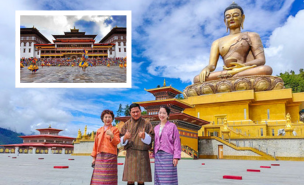
Arrive in Paro – Paro Dzong - Drive to Thimphu - Punakha – Return to Paro – Leisure Evening - Tiger’s Nest Monastery - Departure from Paro .
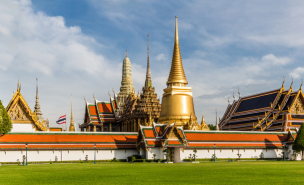
Arrive in Bangkok - Bangkok to Ayutthaya - Chiang Mai – Doi Suthep – Meditation Retreat - Departure from Chiang Mai.
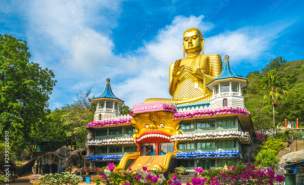
Colombo Arrival & City Tour - Anuradhapura - Mihintale – Polonnaruwa – Dambulla - Kandy - Peradeniya & Monastery Visit.
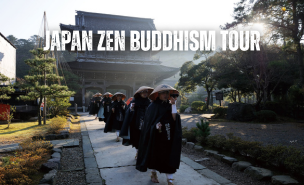
Arrive in Tokyo - Tokyo – Kamakura Day Trip – Kyoto – Travel to Kyoto - Zen Temples Tour - Nara Excursion - Departure
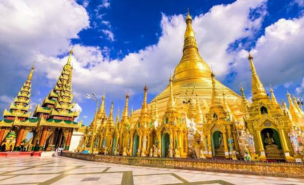
Arrive in Yangon - Yangon Temples Tour – Fly to Bagan - Travel to Mandalay - Amarapura Excursion - Sagaing Hills - Departure.
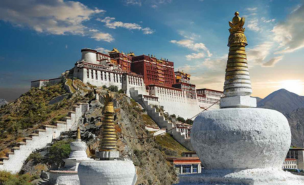
Arrive in Lhasa – Explore Lhasa – Potala Palace & Jokhang Temple – Drive to Gyantse - Excursion to Yamdrok Lake - Spiritual Ritual & Meditation - Departure.
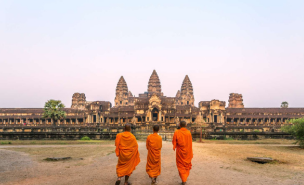
Arrive in Siem Reap - Siem Reap Angkor Thom & Bayon Temple – Siem Reap Banteay Srei & Ta Prohm - Travel to Phnom Penh - Departure.