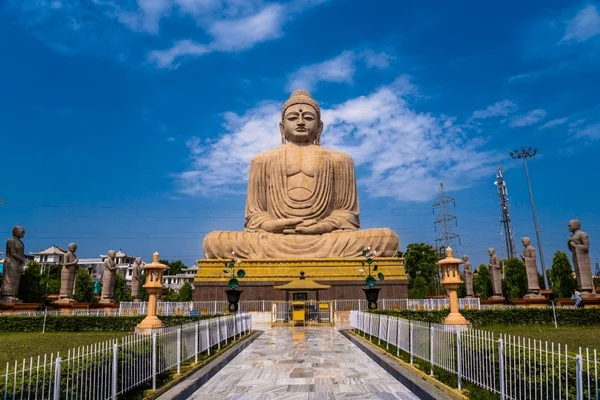
Explore the sacred Mahaparinirvana sites and Buddhist heritage of Kushinagar with a spiritual pilgrimage.
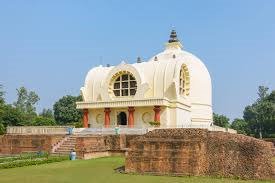 Discover the Sacred Buddhist Heritage of Kushinagar
Buddhist Tour Package from Kushinagar offer an opportunity to explore one of the most sacred destinations in Buddhist tradition. Located in Uttar Pradesh, Kushinagar is traditionally recognized as the place where Gautama Buddha attained Mahaparinirvana. Pilgrims visit this peaceful destination to pay their respects, explore ancient monuments and learn about the final chapter of Buddha's life.
Kushinagar is known for the Mahaparinirvana Temple, the reclining Buddha statue, Ramabhar Stupa and Matha Kuar Shrine. The town also has Buddhist temples representing different Asian Buddhist traditions. These attractions make it an important destination for spiritual travellers, Buddhist devotees, history enthusiasts and cultural groups.
A pilgrimage can focus on Kushinagar alone or continue to Sarnath, Bodh Gaya, Rajgir, Nalanda and other important Buddhist destinations. You can also explore our Buddhist Tour Packages homepage for more pilgrimage ideas.
According to Buddhist tradition, Kushinagar is the place where Gautama Buddha attained Mahaparinirvana. This event holds profound importance for Buddhists because it represents the final passing of the Buddha after a lifetime of teaching the path to liberation.
The Mahaparinirvana Temple houses a famous reclining Buddha statue. Nearby, Ramabhar Stupa is traditionally associated with Buddha's cremation. Together, these monuments make Kushinagar one of the most significant destinations on the Buddhist pilgrimage circuit.
Pilgrims from India, Sri Lanka, Thailand, Japan, Myanmar, Tibet and other regions visit Kushinagar for prayer, meditation, reflection and learning about Buddhist heritage.
The Mahaparinirvana Temple is the most prominent Buddhist attraction in Kushinagar. It contains a reclining statue of Buddha measuring approximately 6.1 metres in length. The statue represents Buddha's Mahaparinirvana and is a central focus for pilgrims visiting the town.
Visitors can explore the temple surroundings, spend time in quiet reflection and learn about the archaeological remains associated with the ancient Buddhist site.
Located beside the Mahaparinirvana Temple, Nirvana Stupa forms an important part of the principal Buddhist archaeological complex. It is associated with the Mahaparinirvana tradition and is an essential stop on a Kushinagar pilgrimage.
Ramabhar Stupa is traditionally associated with the place where Buddha's cremation took place. Also known in Buddhist tradition as Mukutbandhan Chaitya, the stupa is an important destination for devotees seeking to understand the events associated with Buddha's final days.
Its setting offers an opportunity for a quiet visit and reflection. It is commonly included with the Mahaparinirvana Temple on a local Kushinagar sightseeing tour.
Matha Kuar Shrine is known for its large stone statue of Buddha depicted in the Bhumi Sparsha Mudra, or earth-touching gesture. The statue is an important example of the region's Buddhist artistic and archaeological heritage.
The shrine and surrounding remains can be included in a tour of Kushinagar's principal religious monuments.
Kushinagar Museum displays archaeological objects associated with the region, including sculptures, statues, coins and other historical finds. It can help visitors understand the development of Buddhist art and the historical significance of the ancient settlement.
Check the current opening schedule and visitor guidelines before planning your visit.
Kushinagar is home to Buddhist temples and monasteries reflecting traditions from several Asian countries. Visitors may explore temples associated with Thai, Japanese, Chinese, Sri Lankan and other Buddhist communities, subject to their opening arrangements.
These places offer insight into the international connections of Buddhism and the different architectural and devotional traditions followed by Buddhist communities.
Travellers interested in spiritual experiences can enquire about meditation opportunities and monastery visits. Participation, visitor access and schedules depend on the individual institution, so arrangements should be confirmed in advance.
Religious observances are an important part of Buddhist pilgrimage. Buddha Purnima and occasions commemorating Buddha's Mahaparinirvana are especially relevant to visitors interested in the spiritual traditions of Kushinagar. Local programmes can vary from year to year.
Buddha Purnima, also known in many Buddhist communities as Vesak, is one of the most important occasions in the Buddhist calendar. It is traditionally associated with the birth, enlightenment and Mahaparinirvana of Gautama Buddha, although observances differ between traditions.
The festival generally falls on a full moon day in April or May. Its exact date changes according to the lunar calendar and the calendar tradition followed.
During Buddha Purnima, Buddhist communities may organise prayers, chanting, meditation, offerings, teachings and charitable activities. Pilgrims visiting Kushinagar around this occasion should check local temple notices and confirmed event schedules before travelling.
Kushinagar has a special connection with remembrance of Buddha's Mahaparinirvana. Buddhist communities may mark this important event through prayer, meditation, Buddhist teachings and other religious observances.
The date and form of these observances can vary across Buddhist traditions. There is no single local event schedule that should be assumed for every year. Contact the relevant monastery or temple to confirm dates, participation arrangements and any special programmes.
Beyond major festivals, temples and monasteries may conduct regular prayers, chanting, meditation and religious teachings. These activities provide an opportunity to learn about Buddhist philosophy and devotional practices.
Regular programmes are organised by individual institutions, so visitors should verify timings and access rules directly before making specific plans.
October to March is generally a comfortable period for sightseeing in Kushinagar. The weather is usually more suitable for exploring temples, archaeological sites and outdoor monuments than during the hotter months.
April and May may be of particular interest to travellers wishing to visit around Buddha Purnima. However, these months can be hot, so plan sightseeing hours, drinking water and rest breaks accordingly.
If your primary purpose is to attend a religious festival, confirm the date for your chosen year and check whether the temple or monastery has announced any special events. Do not rely only on a general festival calendar.
A customized Kushinagar Buddhist tour can be designed around your available time, travel interests and preferred destinations. A short itinerary can focus on the local temples and monuments, while a longer pilgrimage can include several important Buddhist sites.
Travellers can discuss private transportation, accommodation options, sightseeing and route planning. The services included depend on the itinerary and package confirmed at the time of booking.
Sarnath, near Varanasi, is traditionally recognised as the place where Buddha delivered his first sermon after attaining enlightenment. The Dhamek Stupa, archaeological remains and Buddhist temples make it an important stop on the Buddhist circuit.
Explore our Buddhist Tour Packages from Sarnath to learn more about this sacred destination.
Bodh Gaya in Bihar is one of the world's most important Buddhist pilgrimage destinations. The Mahabodhi Temple complex is associated with the enlightenment of Gautama Buddha beneath the Bodhi Tree.
Discover our Buddhist Tour Package from Bodh Gaya for more information about planning your pilgrimage.
Rajgir is associated with Buddha's teachings and early Buddhist history. Vulture Peak and other religious and historical attractions make it a valuable addition to a longer journey through Bihar.
Nalanda is famous for its ancient monastic university and archaeological remains. The site provides insight into Buddhist education, philosophy and scholarship across many centuries.
Lumbini in Nepal is recognised as the birthplace of Gautama Buddha. The Maya Devi Temple and surrounding monastic zone are important places for Buddhist pilgrims. Adding Lumbini requires suitable route planning and checking applicable border and travel-document requirements before departure.
The itineraries below are examples for planning purposes. They are not fixed departures or confirmed packages. Actual travel time depends on the route, road conditions, sightseeing schedule and transport arrangements.
The order of destinations may be adjusted to reduce unnecessary travel. Request a customized itinerary before confirming your travel dates.
Kushinagar is located in eastern Uttar Pradesh and is accessible by road from Gorakhpur and nearby towns. Your best arrival option depends on your departure city and the current transport schedule.
Kushinagar can be included in pilgrimage plans for families, private groups, senior citizens and international travellers. A flexible itinerary allows time for religious visits, sightseeing and rest.
Travellers can request convenient accommodation, shorter sightseeing sessions, private transportation and rest breaks when discussing their requirements. Availability and arrangements should be confirmed before booking.
Every pilgrimage has different priorities. Some travellers prefer a peaceful visit to Kushinagar, while others want to explore several places associated with the life and teachings of Buddha. A customized itinerary helps organise destinations, travel duration and transport around your needs.
Share your travel dates, group size, preferred destinations and accommodation requirements to discuss a suitable tour plan.
To explore more destinations and pilgrimage ideas, visit our Buddhist Packages homepage. You can also explore our Sarnath Buddhist Tours and Bodh Gaya Buddhist Tours
Know exactly what is included in your tour package and what is not.
Services covered in your package
Services not covered in your package
Plan your Buddhist pilgrimage with confidence. Find answers to common questions and discover why travellers choose us for their spiritual journeys.
Find answers about Kushinagar Buddhist tours
Kushinagar is traditionally recognised as the place where Gautama Buddha attained Mahaparinirvana. The Mahaparinirvana Temple and Ramabhar Stupa are among its most important pilgrimage sites.
Major attractions include the Mahaparinirvana Temple, Nirvana Stupa, Ramabhar Stupa, Matha Kuar Shrine, Kushinagar Museum and international Buddhist temples.
Buddha Purnima is an important occasion for Buddhist pilgrims. Observances commemorating Buddha's Mahaparinirvana may also be held. Confirm local festival programmes before travel.
Buddha Purnima generally falls on a full moon day in April or May. The exact date changes each year according to the lunar calendar and the tradition followed.
One to two days may be sufficient for the main Kushinagar attractions. A longer trip is recommended if you want to visit Sarnath, Bodh Gaya, Rajgir, Nalanda or Lumbini.
Yes. You can discuss your preferred destinations, travel dates, group size, transport, accommodation and sightseeing requirements when requesting a customized itinerary.
October to March is generally comfortable for sightseeing. If you wish to attend Buddha Purnima or another religious observance, confirm the date and local arrangements.
Yes. Lumbini in Nepal can be considered for a longer Buddhist circuit. Check border arrangements, travel documents, transport and the complete route before booking.
Your trusted Buddhist travel partner
Personalized Buddhist tour plans according to your preferences.
Professional travel assistance throughout your journey.
Carefully selected hotels for a relaxing pilgrimage experience.
Comfortable vehicles for convenient sightseeing and transfers.
Quality travel services with transparent package pricing.
Dedicated assistance before and during your journey.
Let us help you plan a memorable spiritual trip.